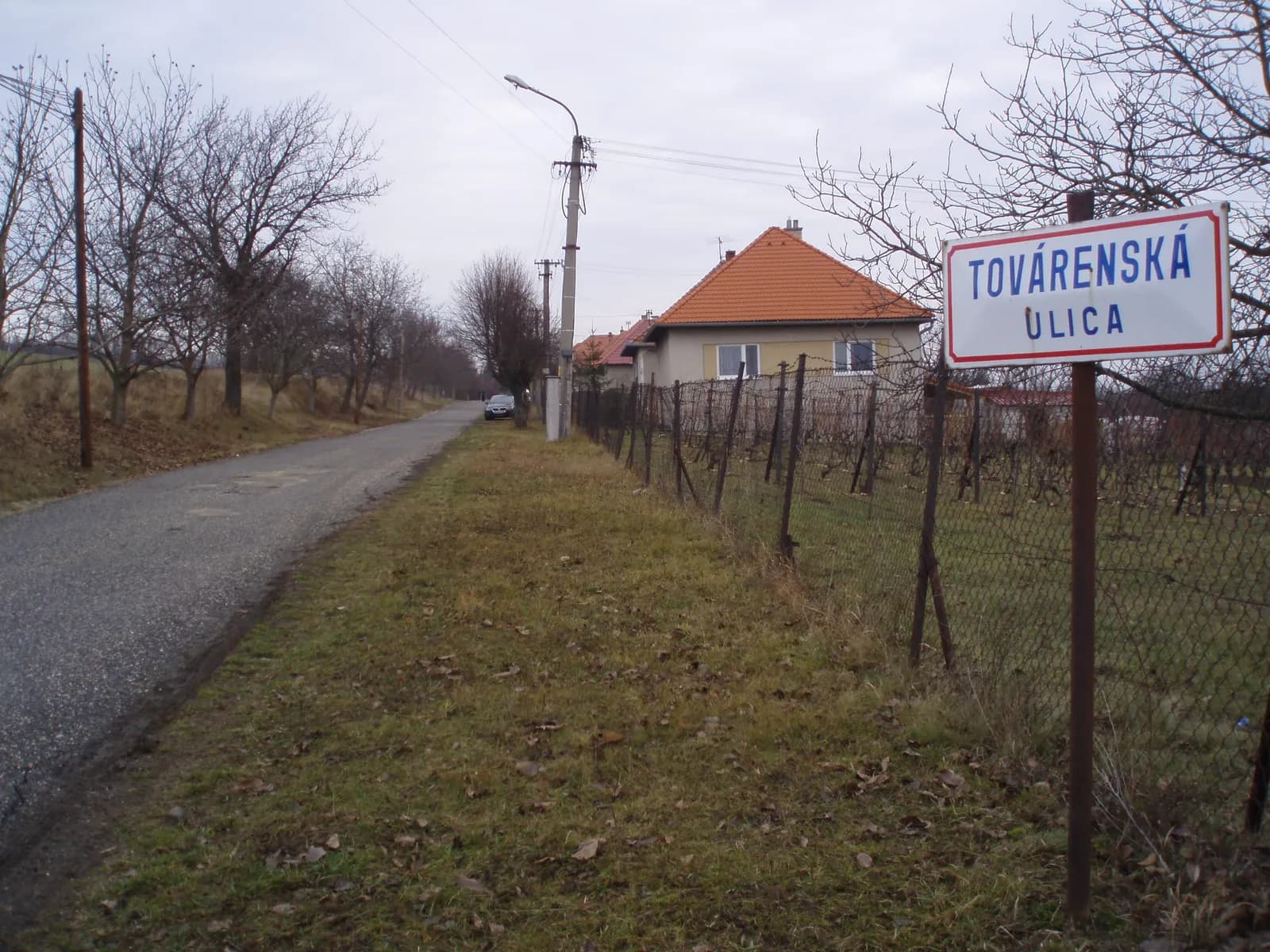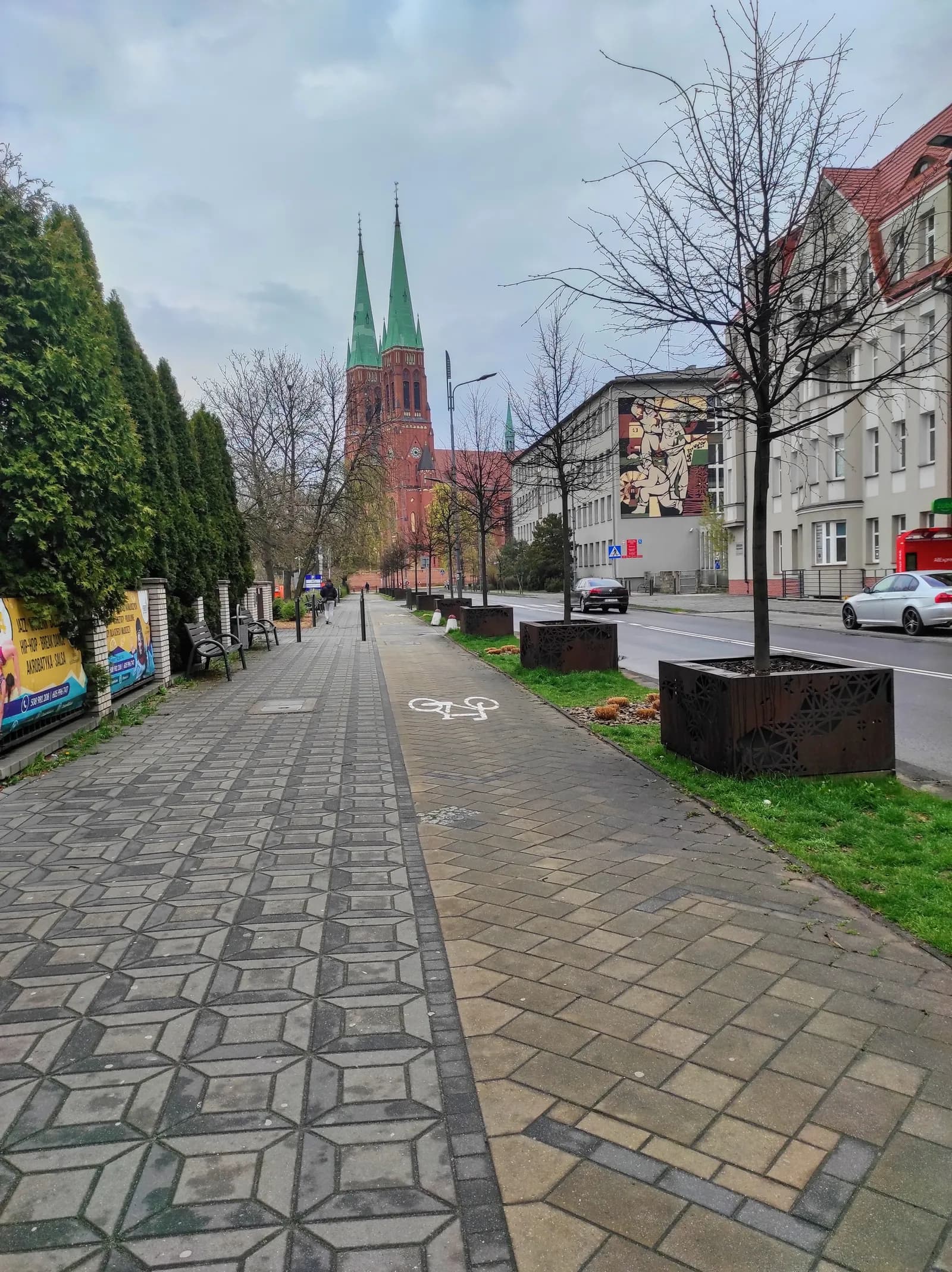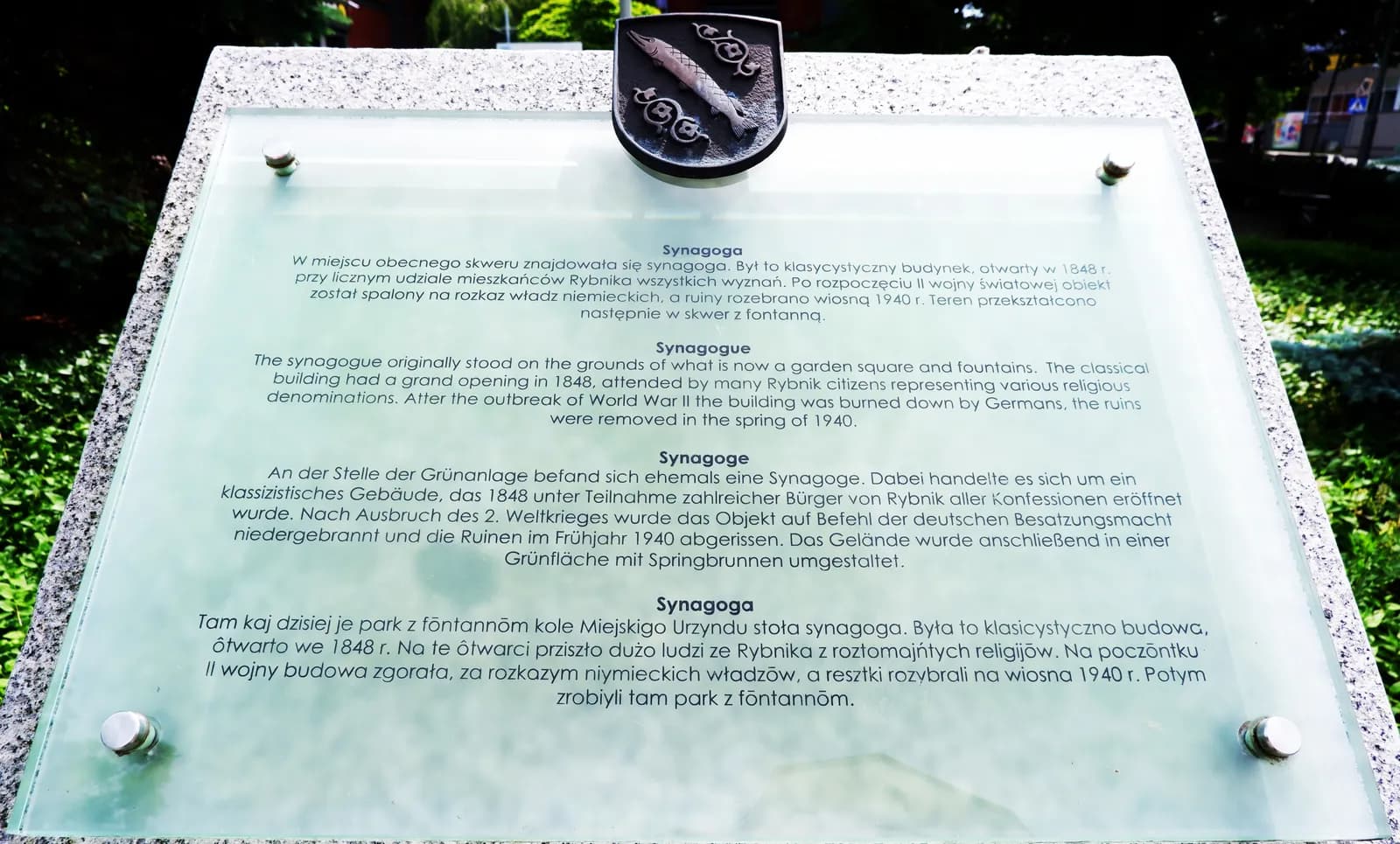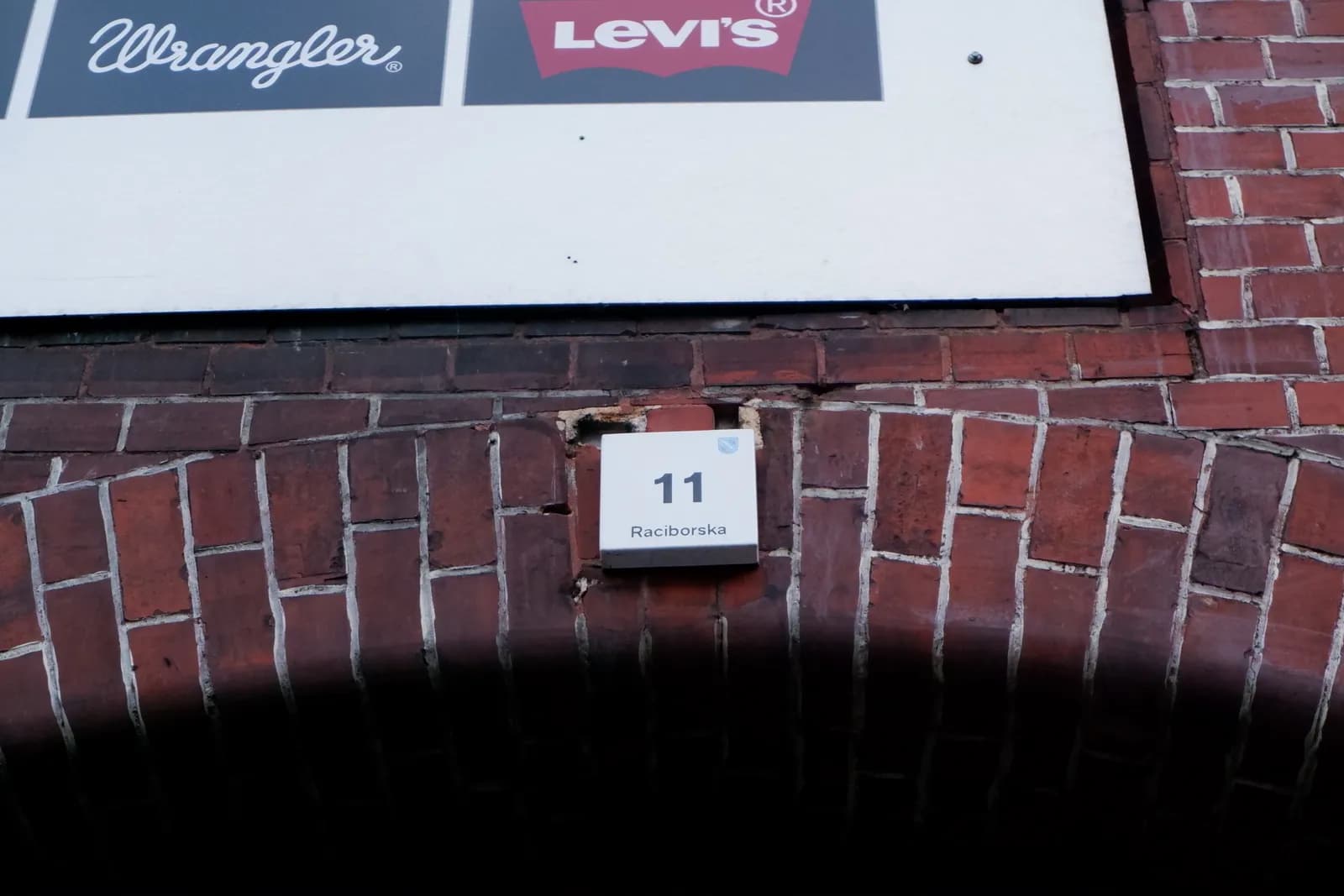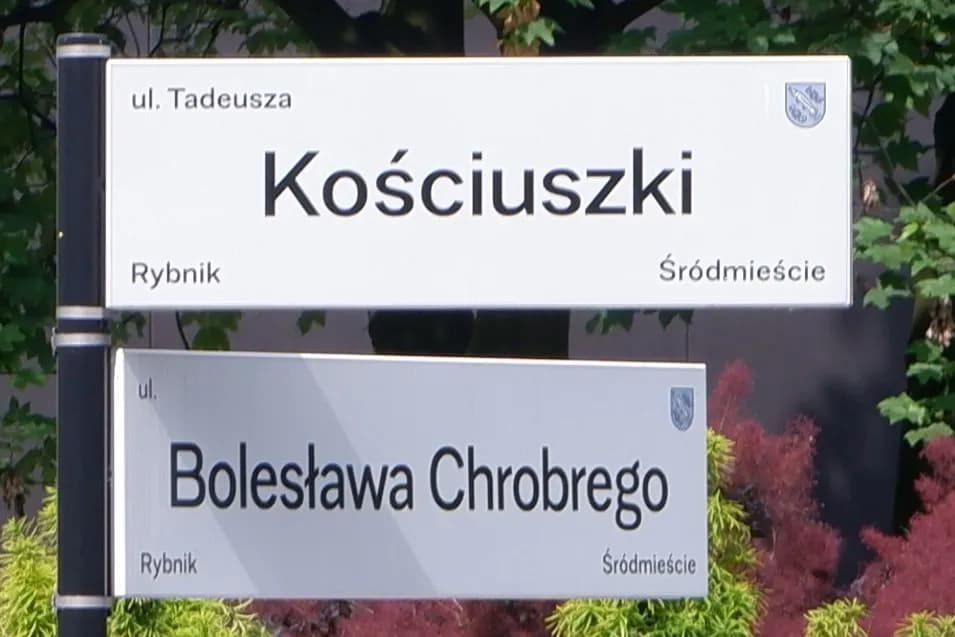
In Rybnik, a stroll down the street is a walk through Śląskie's rich layers of history. Each name on a signpost is more than just a label for post or pizza deliveries. It is a living fragment of memory, reflecting centuries of change, resilience and local pride.
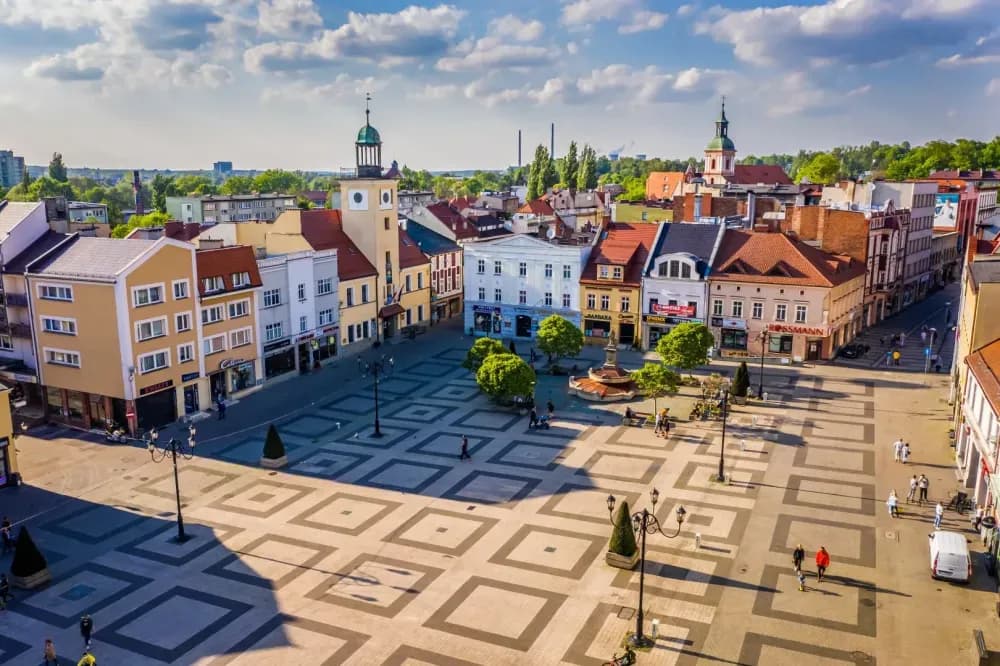
The very name Rybnik comes from the Proto-Slavic root ryba – meaning ‘fish’ – speaking to origins as a settlement known for its ponds. Fish farming was once central here, defining the community long before maps marked out its streets. Yet the naming story does not end with Old Polish tradition; the city’s streets reveal a lively intertwining of cultures and eras.
Names That Remember
The centre and surrounding districts such as Chwałowice, Niedobczyce, Orzepowice, Rybnicka Kuźnia and Boguszowice Stare show how history lives on in everyday geography. For much of the city’s modern story, the road to and from home has also been a path through shifting identities – none more vivid than the dramatic post-1918 change, when Rybnik and Upper Silesia moved from German to Polish sovereignty.
Following 1922, the city carried out a systematic Polonisation of its streets. Railway station ‘Bahnhofstrasse’ became ‘Dworcowa’. ‘Bachstrasse’, named for a stream, became ‘Rzeczna’. ‘Ackerstrasse’, a field, was renamed ‘Krzyżowa’. What might seem small changes were, for local families and businesses, powerful reminders of who wrote the street signs, and in whose language daily life took place.
Memory in Every Neighbourhood
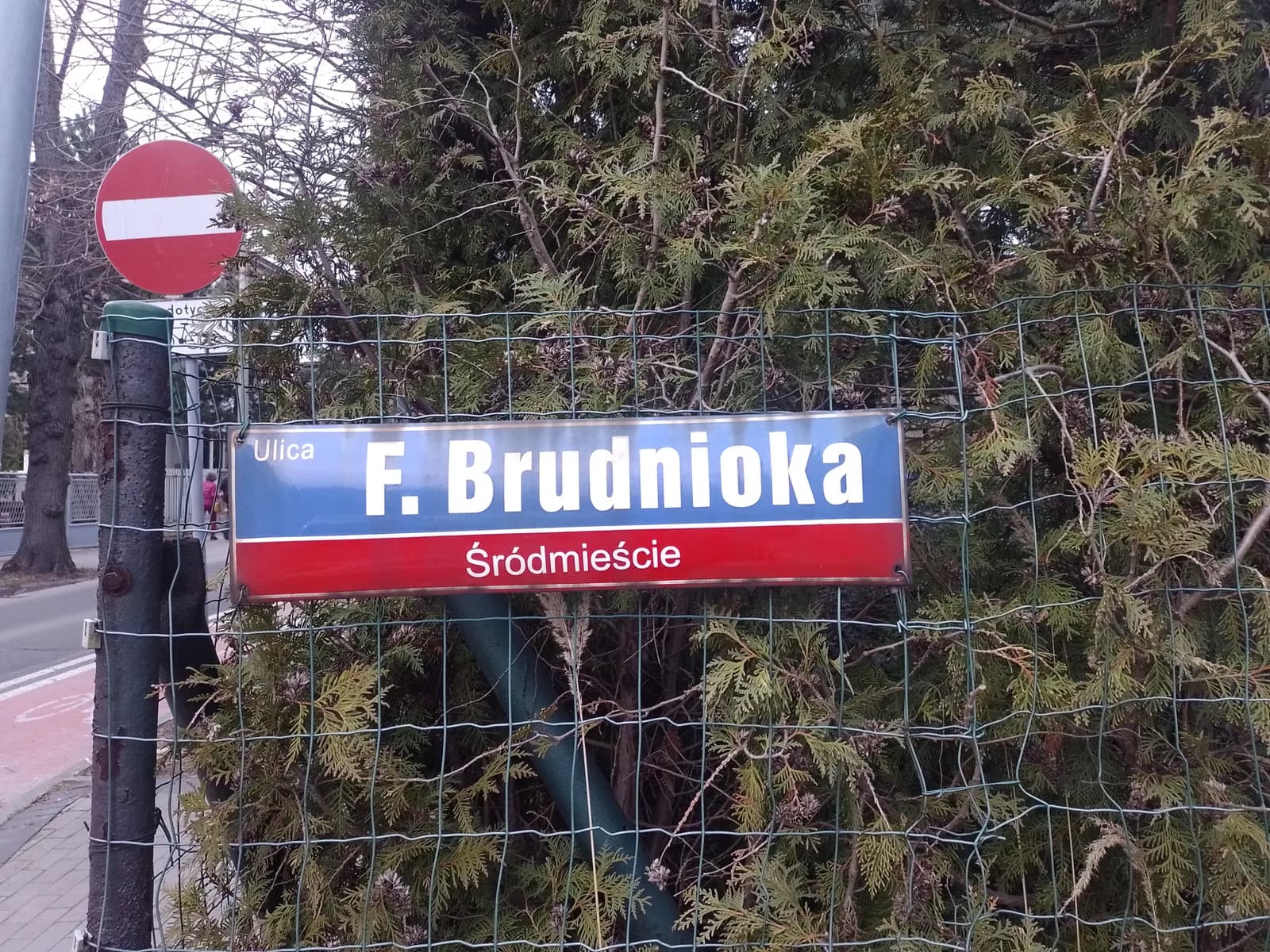
Across Rybnik today, the variety of street names across neighbourhoods is striking. Śródmieście retains references to civic life while streets like those in Niedobczyce or Rybnicka Kuźnia still hold echoes of Silesian industry and rural pasts. The changes have not stopped, either. As recently as 2018, the city council approved new names to replace those with controversial associations or to recognise modern figures and values. Residents saw Braci Nalazków replaced with Mariana Rejewskiego, while Jana Kawalca became Marokanów. Józefa Wieczorka is now Serdeczna, 9 Maja became Szczęśliwa, and 26 marca was renamed Bolesława Leśmiana.
What these examples show is a city proud to reflect both its heritage and its present. Street names, after all, are an ever-updating public record. Whether honouring a local poet, marking a significant date or connecting to old trades and ponds, Rybnik’s road signs are invitations to discover the people and moments that shaped them. For Śląskie’s communities, every journey across town is also a chance to remember. And in a place as layered as Rybnik, that history is never far from home.